Custom Fence Solutions: Elevate Your Property's Appearance With Professional Expertise
Custom fence installation serves as a essential component in enhancing both the decorative and structural qualities of a property. Offering diverse styles and materials available, residents can create a customized style that complements their environment. Skilled workmanship plays a vital role in guaranteeing durability and style. As residents consider these factors, they may find themselves questioning how to properly execute their custom fence project for maximum impact.
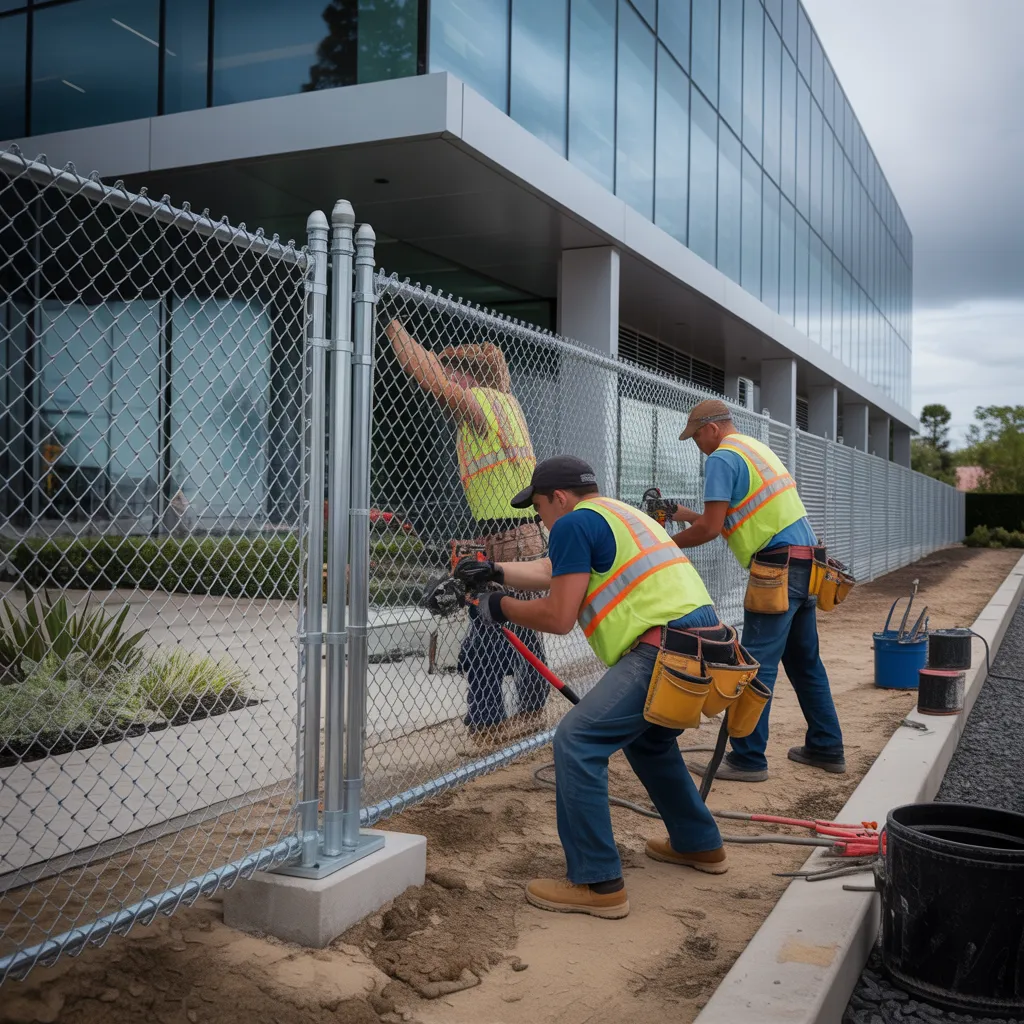
Why Custom Fences Are Vital for Your Home
Custom fencing solutions are commonly acknowledged as essential features for homes and residential spaces. These structures fulfill several functions, improving safety, seclusion, and visual charm. Homeowners often find that a well-designed fence can establish clear boundaries, creating an unmistakable division between their property and neighboring spaces. This boundary not only nurtures a perception of ownership but also instills a feeling of protection, particularly in urban settings.
Moreover, custom fences can be tailored to align with the design aesthetic of a home, merging effortlessly with the natural surroundings. Choices like wood, vinyl, or metal can be chosen based on personal taste and structural needs, presenting diverse possibilities to satisfy specific desires. Moreover, these fences can boost home value, making them a valuable addition for property owners. All things considered, custom fences contribute markedly to the aesthetic appeal and practicality of private properties, making them an key element in property enhancement projects.
Managing the Budget for Your Custom Fence Project
When planning a custom fence project, property owners must carefully examine their budgets to guarantee the final installation aligns with their vision without financial strain. Creating a well-structured budget involves taking into account several key elements, including material expenses, labor fees, and supplementary elements, such as gates or ornamental details. Homeowners should obtain multiple quotes from qualified contractors to assess rates and available services.
It's equally important to consider potential unexpected expenses, such as permits and site preparation fees. By allocating a contingency fund—typically 10-15% of the total budget—homeowners can cover unforeseen costs that may arise during the course of the installation.
Distinguishing needs from wants can help streamline the budget, guaranteeing that essential features are included while minimizing unnecessary expenditures. By approaching budgeting thoughtfully, homeowners can ensure a rewarding and successful custom fence project that adds value to their property without compromising financial stability.
Selecting the Best Materials for Your Custom Fence
When choosing the right materials for a custom fence, homeowners frequently encounter the choice between vinyl and wood options. Each material presents notable advantages in terms of durability and maintenance requirements. Knowing these differences can strongly impact the long-term effectiveness and longevity of the fencing solution.
Wood vs. Vinyl Fencing
Selecting the best options for a fence can significantly affect both appearance and performance. A wood fence is often favored for its natural beauty and adaptability, enabling various looks and coatings. It can naturally blend with outdoor greenery and offers a warm, inviting look. However, it often needs routine maintenance to preserve its appeal.
In contrast, vinyl fencing provides a modern appeal with a clean, uniform look. Homeowners can find it in a wide variety of colors and styles, providing homeowners with options that suit their preferences. Vinyl offers resistance to pests and decay, rendering it an easy-care option. Ultimately, the decision between timber and vinyl fencing solutions rests on homeowner preferences, visual goals, and long-term property aspirations.
Strength and Care Requirements
Assessing longevity and upkeep considerations is crucial for selecting the right materials for a tailored fence. Various materials offer distinct advantages regarding lasting performance and care. For example, metallic fencing options, such as aluminum or wrought iron, provide exceptional durability and need minimal care, standing up to rust and outdoor exposure. Conversely, timber fences, despite their attractive appearance, need frequent maintenance to protect against deterioration and insect harm, impacting long-term durability. Vinyl fencing excels in minimal upkeep requirements, withstanding discoloration and distortion but might struggle in severe weather environments. In the end, the decision on material should align with the homeowner's aesthetic preferences, climate considerations, and willingness to invest time in maintenance, ensuring that the fence remains functional and visually appealing over the years.
Crafting a Fence That Matches Your Landscape
Crafting a fence that improves a landscape demands careful consideration of architectural styles and the use of organic materials. A well-matched fence not only accentuates the surrounding buildings but also harmonizes with the adjacent landscape. Selecting materials that blend with the landscape can establish a unified and welcoming outdoor space.
Matching Architectural Styles
How can homeowners establish a seamless integration between their fences and the surrounding architecture? By carefully considering the style and materials of their home, they can select access this information a fence that enhances the overall aesthetic. For instance, a modern home may benefit from sleek, minimalist designs, while a traditional residence could be complemented by classic picket or wrought iron fences.
Moreover, color schemes should align; painting the fence to complement the home's trim helps tie the space together. Homeowners should also consider height and scale, making sure the fence does not dominate the property or appear mismatched. When all is said and done, a carefully planned fence can boost curb appeal and establish a unified, welcoming environment that showcases the homeowner's personal taste.
Selecting Natural Materials
While selecting a fence, homeowners frequently discover that choosing natural materials can greatly improve the balance between the fence and the neighboring environment. Bamboo, wood, and stone are popular options that not only deliver lasting resilience but also mesh effortlessly with various environments. For instance, redwood or cedar fences can create a cozy, natural atmosphere, while stone walls offer a more timeless, elegant aesthetic. Additionally, using locally sourced materials can foster a meaningful connection to the land, rooting the space in its local environment. Homeowners should assess the care needs of these materials, as well as their ability to withstand the elements and insects. Ultimately, the ideal combination of natural materials can enhance both the fence's practicality and aesthetic value, producing a unified and attractive outdoor setting.
Why Professional Craftsmanship Makes a Difference
Skilled workmanship in fence installation considerably shapes both the visual appeal and long-term strength of a property. Experienced craftsmen possess the expertise to select the appropriate materials and techniques designed for unique climate conditions. This knowledge guarantees that fences not only improve a property's decorative allure but also endure for years to come.
Attention to detail throughout the installation process proves critical in achieving a polished result. Exact measurements and careful alignment helps avoid issues such as leaning or sagging, which can compromise a house's visual appeal. Moreover, professional craftsmanship often includes complying with local codes and safety guidelines, reducing potential liabilities for homeowners.
Opting for expert implementation also means employing cutting-edge tools and methods that are often inaccessible to DIY enthusiasts. Such a meticulous process yields a durable fence that enhances property value while demonstrating the resident's style and taste. In the end, professional craftsmanship guarantees that a fence performs its role effectively and beautifully.
Maintenance Tips for Long-Lasting Fencing Solutions
Regular upkeep is essential for preserving the lasting quality of any fence, regardless of the craftsmanship behind its installation. Regular inspections are essential; homeowners should check for signs of damage, rot, or rust at least twice a year. For wooden fences, applying a protective sealant every few years can prevent moisture damage and prolong life. Iron and steel fences need regular cleaning to eliminate buildup and corrosion, typically with a wire brush or anti-rust coating.
Furthermore, pruning vegetation that touches the fence decreases the risk of mold development and insect issues. Guaranteeing proper drainage around the fence line stops water accumulation, which can compromise the foundation. Lastly, tackling any issues in a timely manner can reduce costs and effort in the long run. By applying these maintenance tips, property owners can take pleasure in a stunning and reliable fence for decades to come, enhancing their property's curb appeal.

Answers to Your Most Common Questions
What Is the Typical Duration of a Custom Fence Installation?
Custom fence installation generally requires one to two weeks, based on several factors including the size of the project, chosen materials, and current weather conditions. Additional time may be needed for permit acquisition and site preparation prior to the start of construction.
Is a Permit Required for Installing a Custom Fence?
In most cases, a permit is needed for installing a custom fence, subject to local regulations. It is advisable for homeowners to check with their local authorities to validate compliance with zoning regulations and property guidelines.
What Are the Most Popular Styles of Custom Fences?
Common designs of bespoke fencing include ornamental, picket, privacy, and ranch. Every style provides unique functionality and aesthetics, serving varied tastes while enhancing overall property worth and ensuring safety within commercial and residential properties.
Can I Install a Custom Fence in Winter?
Yes, a personalized fence is able to be installed during winter. Nevertheless, lower temperatures can impact materials and installation techniques, so it's important to work with experienced professionals for the best results and ensure proper handling during challenging weather conditions.
How Can I Select the Best Contractor for Installation?
To select the ideal professional for installation, one should verify qualifications, review feedback, obtain multiple quotes, and verify experience. Open communication and a comprehensive contract are essential to guarantee quality workmanship and satisfaction with the installation.